Testosterone Replacement Therapy Austin: Restoring Vitality and Balance
Testosterone replacement therapy (TRT) is a medical intervention designed to address low testosterone levels in men, offering a path to improved health, energy, and overall well-being. In Austin, as in many cities nationwide, TRT has gained prominence as a solution for men seeking to combat the physical and mental effects of declining testosterone. This homepage delves into the world of TRT, its benefits, and why it matters for men considering this life-changing therapy.
What is Testosterone Replacement Therapy (TRT)?
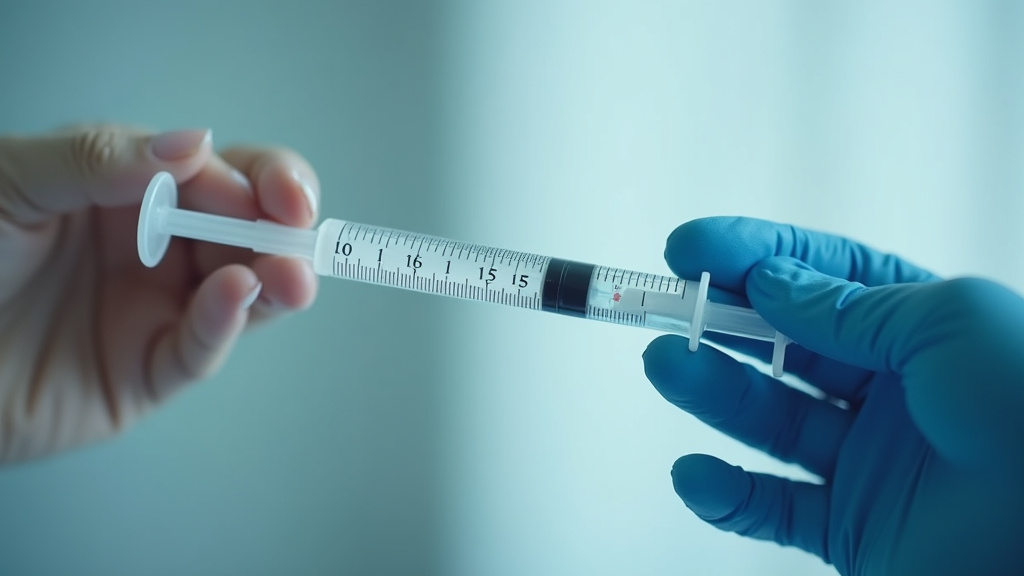
TRT involves the prescription and administration of synthetic testosterone to compensate for low levels of the hormone in the body. It's a personalized medical approach tailored to individual needs, aiming to restore balance and enhance various aspects of men's health and lifestyle.
Why does it matter? Low testosterone (low T) is a common issue affecting many men as they age. TRT can alleviate symptoms, improve quality of life, and offer a range of health benefits when administered under medical supervision.
FAQ: Unlocking the Power of Testosterone Replacement Therapy
1. What causes low testosterone levels?
Low T can result from various factors, including natural aging, certain medical conditions (e.g., diabetes, hypogonadism), lifestyle choices (obesity, excessive alcohol intake), and side effects of medications. Understanding the root cause is crucial for effective treatment.
Example: A 50-year-old man may experience declining testosterone due to age-related changes, leading to increased fatigue, reduced muscle mass, and decreased libido.
2. How do I know if I need TRT?
Diagnosing low T involves a comprehensive medical evaluation. Symptoms include low energy, decreased muscle strength, diminished sexual function, irregular sleep patterns, and mood swings. A healthcare provider can run tests to confirm low testosterone levels.
Case Study: John, 48, sought TRT after years of consistent fatigue and weight gain despite regular exercise. Blood tests revealed low testosterone, leading to a successful treatment plan.
3. What are the benefits of TRT?
TRT offers a range of advantages:
- Increased Energy and Stamina: Boosts physical endurance and reduces exhaustion.
- Improved Muscle Mass and Strength: Promotes lean muscle growth and enhances athletic performance.
- Enhanced Libido and Sexual Function: Can improve sexual desire and performance.
- Better Mood and Cognitive Function: May reduce symptoms of depression, anxiety, and cognitive decline.
- Osteoporosis Prevention: Helps maintain bone density, reducing the risk of fractures.
Statistics: A study published in The Journal of Clinical Endocrinology & Metabolism found that TRT improved sexual function and quality of life in men with low T.
4. How does TRT work?
TRT involves several steps:
- Initial Consultation: A healthcare provider assesses medical history, performs tests, and discusses symptoms.
- Testing: Blood samples measure testosterone levels to establish a baseline.
- Treatment Plan: The provider prescribes the appropriate form of testosterone (e.g., injections, gels, patches) based on individual needs.
- Regular Monitoring: Follow-up tests track hormone levels and adjust treatment as needed.
Step-by-Step Example: Mark, 62, visits an endocrinologist for low T symptoms. After testing, he learns his levels are significantly below normal range. The doctor prescribes a daily testosterone gel and schedules regular check-ups to ensure optimal results.
5. What are the forms of testosterone replacement?
TRT is available in various forms:
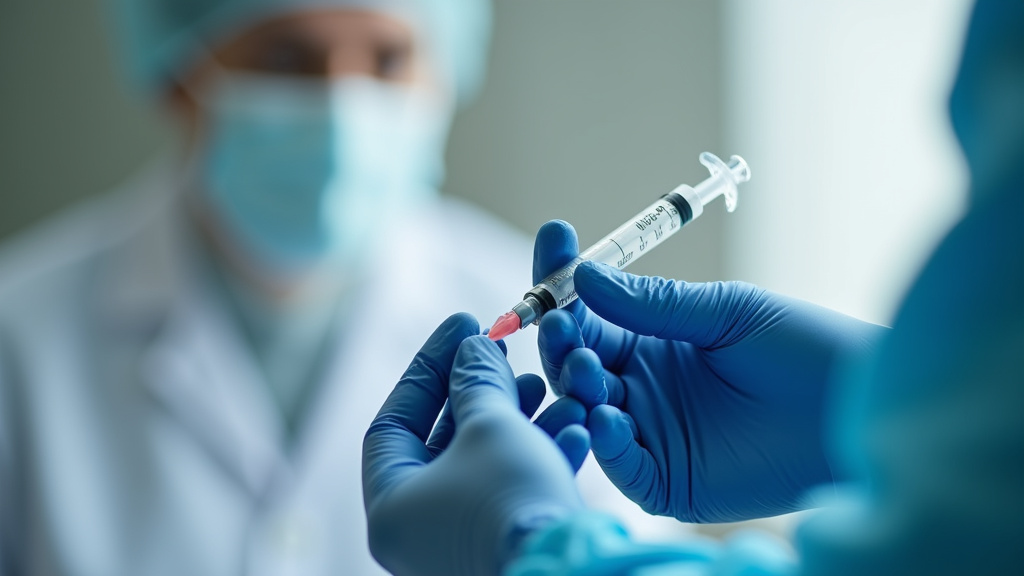
- Injections: Offer precise dosing and rapid effects, typically administered every 2-4 weeks.
- Topical Gels or Creams: Applied daily, they provide steady hormone release through the skin.
- Patches: Adhesive patches deliver testosterone transdermally, lasting up to seven days.
- Implants: Surgically inserted pellets release testosterone over several months.
Real-World Application: Jason, an athlete with low T due to intense training, opts for a combination of injections and topical gel to support his high-performance goals while ensuring hormone balance.
6. Is TRT safe? What are the risks?
When administered under medical supervision, TRT is generally considered safe. However, potential side effects include:
- Testicular Atrophy: Shrinkage of testicles due to reduced natural testosterone production.
- Prostate Issues: Enlargement and potential changes in prostate health require monitoring.
- Reduced Sperm Count: May impact fertility, but some forms offer less risk.
- Acne or Skin Irritation: Topical treatments may cause minor skin reactions.
Industry Insight: According to a 2021 report by Market Research Future (MRFR), the global TRT market is expected to reach USD 7.6 billion by 2028, highlighting its growing safety and effectiveness.
7. How do I choose the right TRT provider?
Selecting an experienced healthcare provider with a proven track record is essential. Look for:
- Board-Certified Specialists: Endocrinologists or urologists specializing in TRT.
- Comprehensive Approach: Providers addressing physical and mental health aspects.
- Individualized Treatment: Tailored plans considering unique needs.
- Patient Testimonials: Reviews from satisfied patients offer valuable insights.
Practical Guide: Research local clinics, read patient reviews, compare specialist credentials, and schedule consultations to find the best fit for your needs.
8. What is the cost of TRT?
TRT costs vary based on location, chosen therapy form, and treatment duration. In Austin, prices typically range from $500 to $2000 per month, including medications and office visits. Insurance coverage may offset expenses.
Statistical Data: A 2022 survey by Men's Health Magazine revealed that the average cost of TRT in the US is approximately $1200 per month, with significant variations across states.
9. Can TRT help with age-related conditions?
Absolutely! TRT can alleviate symptoms of age-related conditions:
- Andropause (Male Menopause): Provides relief from hot flashes, mood swings, and sexual dysfunction.
- Osteoporosis: Helps maintain bone density, reducing the risk of fractures.
- Cardiovascular Health: Improves cholesterol levels and blood pressure.
Case Study: William, 72, struggled with postmenopausal symptoms, including hot flashes and fatigue. After starting TRT, he reported improved overall health and quality of life.
10. Is TRT right for everyone?
While TRT can be highly beneficial, it's not suitable for everyone. Factors to consider:
- Age: Typically prescribed for men over 35 with low T.
- Medical History: Conditions like prostate cancer or heart disease may require careful monitoring.
- Lifestyle: Smokers and heavy alcohol users might face additional risks.
- Goals: TRT is most effective when aligned with healthy lifestyle choices.
Real-World Scenario: Michael, 28, seeks TRT for increased energy and muscle mass. His provider assesses his medical history, lifestyle, and goals, determining that TRT could enhance his athletic performance but requires a balanced approach with diet and exercise.
11. How long does it take to see results?
Results vary based on the chosen therapy and individual responses. Typically:
- Injections/Patches: Effects may be noticeable within 2-4 weeks, with full benefits in a few months.
- Topical Gels: Initial improvements seen within 1-2 weeks, reaching optimal levels in 3-6 months.
Example Timeline: Benjamin begins TRT at 55 with low energy and libido. After 8 weeks, he notices increased stamina and improved sexual function, continuing to build upon these positive changes over the following months.
12. Can I combine TRT with other therapies?
Yes, TRT can complement other treatments:
- Lifestyle Changes: Combining TRT with a healthy diet, regular exercise, and stress management optimizes results.
- Hormone Replacement Therapy (HRT): For women with low estrogen, combined HRT approaches are available under medical supervision.
- Medications: Certain medications may interact with TRT, so close monitoring is essential.
Industry Trends: A growing body of research explores the synergistic effects of combining TRT with other therapies for comprehensive anti-aging and wellness solutions.
Conclusion: Embracing a New Chapter with Testosterone Replacement Therapy
Testosterone replacement therapy offers men in Austin and beyond a path to reclaim their vitality, balance, and overall well-being. By addressing low testosterone levels, TRT can transform lives, empowering individuals to live more active, fulfilling lives. With careful consideration and medical guidance, TRT can be a game-changer for men navigating the challenges of aging or specific health conditions.